
Articles & actualités.
Retrouvez ici tous les articles publiés sur graiphic.io, ainsi que les nouveaux textes de l’équipe. Parcourez l’archive par langue ou recherchez un sujet.
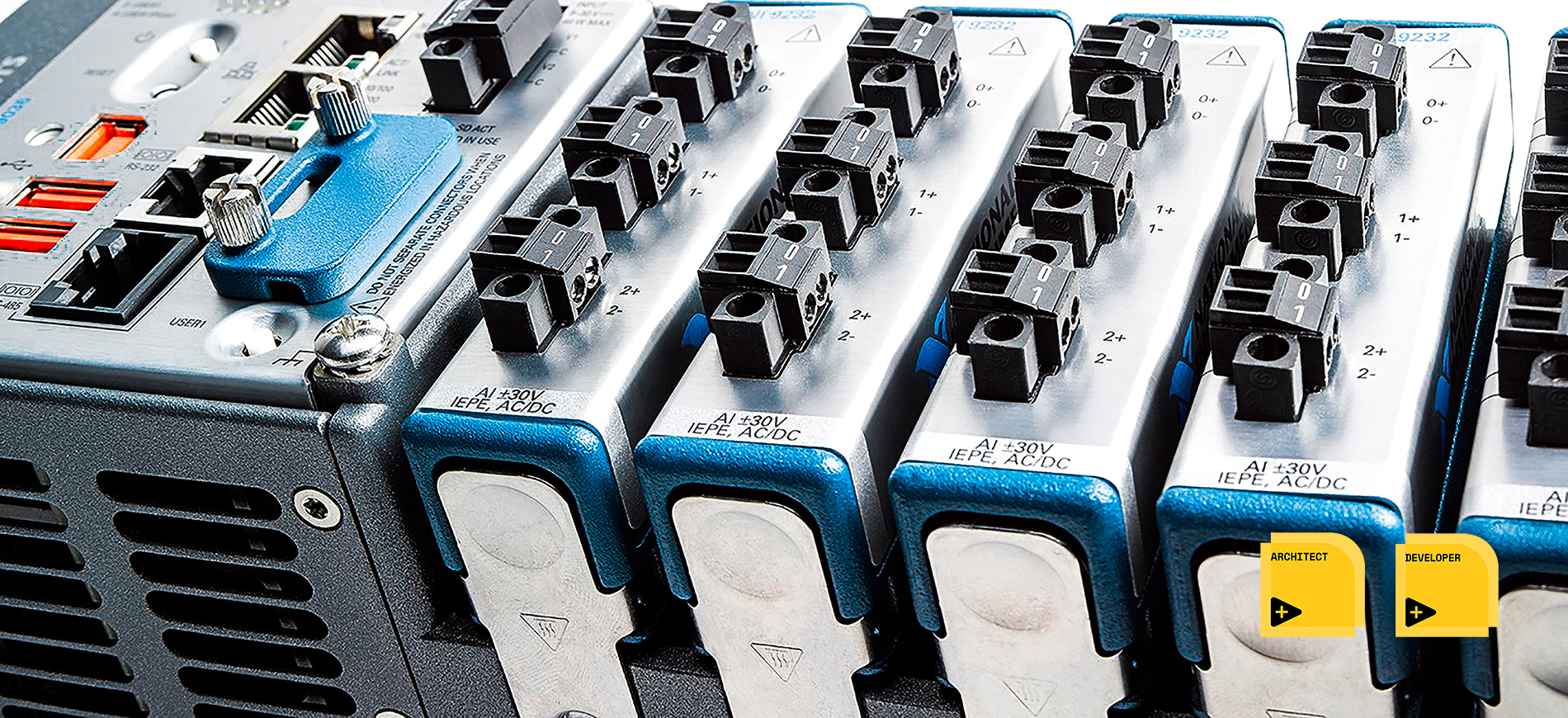
Moyens de test et mesure : du signal physique au résultat exploitable
Un moyen de test relie instrumentation, logiciel et usage terrain. Voici comment Graiphic articule le développement LabVIEW, l'intégration matérielle et la réalisation de bancs complets.
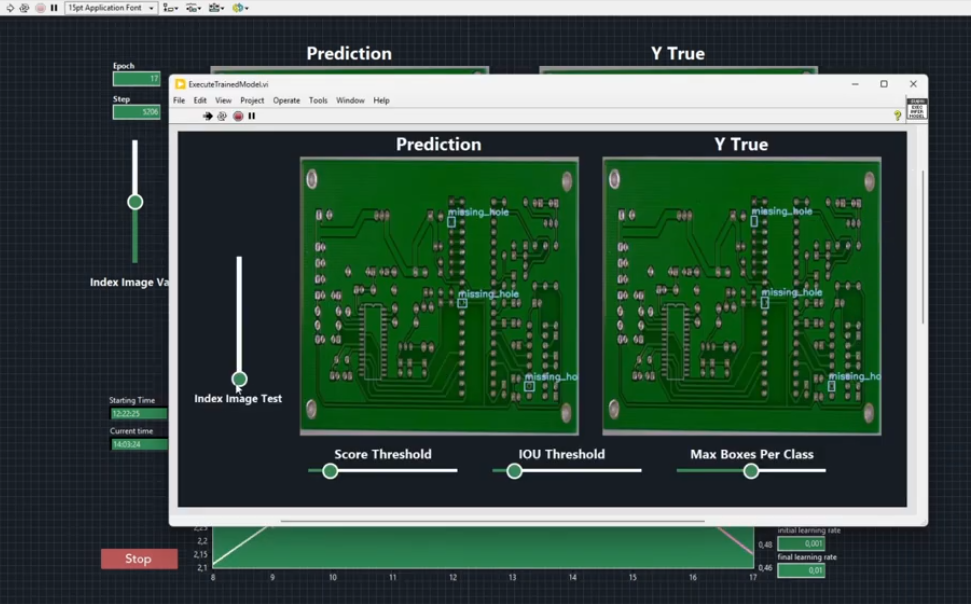
SOTA : quatre toolkits pour intégrer l'IA au workflow LabVIEW
SOTA réunit dans un même écosystème LabVIEW le Deep Learning Toolkit, le Computer Vision Toolkit, l'Accelerator Toolkit et le GenAI Toolkit. Chaque composant répond à une étape du travail d'ingénierie.
Se former à LabVIEW en français, des bases aux architectures avancées
La formation francophone de Technologies de France associe un parcours gratuit ouvert à la communauté et des formations professionnelles LabVIEW et IA centrées sur la pratique.
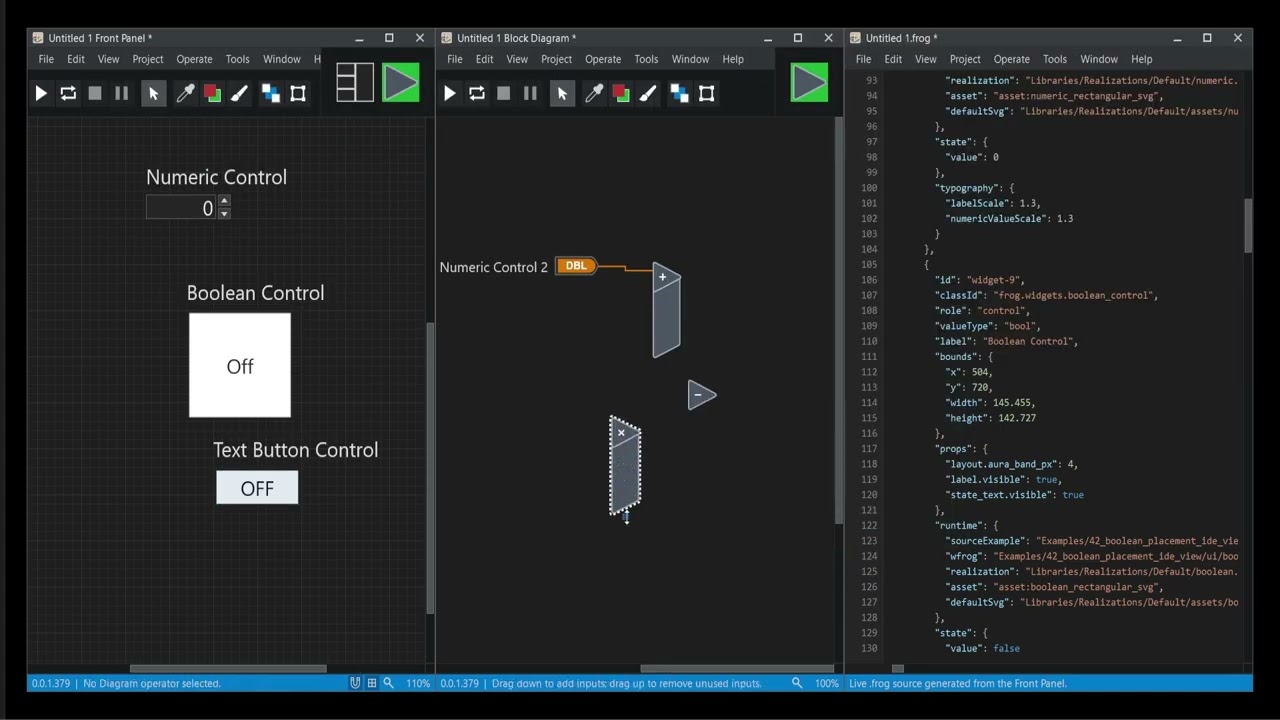
FROG et Graiphic Studio : deux chantiers distincts au centre d'innovation
FROG est une spécification ouverte de langage graphique à flux de données. Graiphic Studio est l'environnement visuel développé autour de ce langage. Les deux projets sont au centre de la R&D de Graiphic.
Modern AI Should Fit Inside LabVIEW. Graiphic Is Bringing SOTA to GLA Summit 2026.
Graiphic returns to GLA Summit with a 45-minute session showing how SOTA brings modern AI model execution directly into LabVIEW. Youssef Menjour will demonstrate ONNX, PyTorch and SafeTensors-based workflows, camera acquisition, computational…
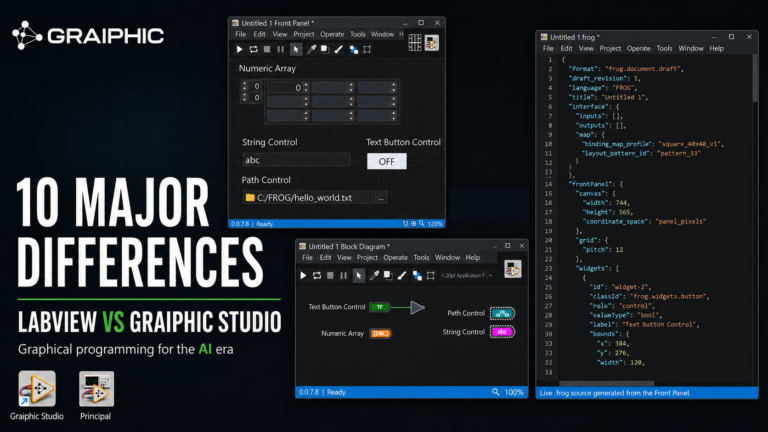
LabVIEW Built the Graphical Revolution. Graiphic Studio Is Building What Comes Next.
LabVIEW proved that graphical dataflow could power serious engineering systems. Graiphic Studio builds on that legacy while rethinking the architecture for readable source, Git, artificial intelligence and modular execution. Here are 10 major…
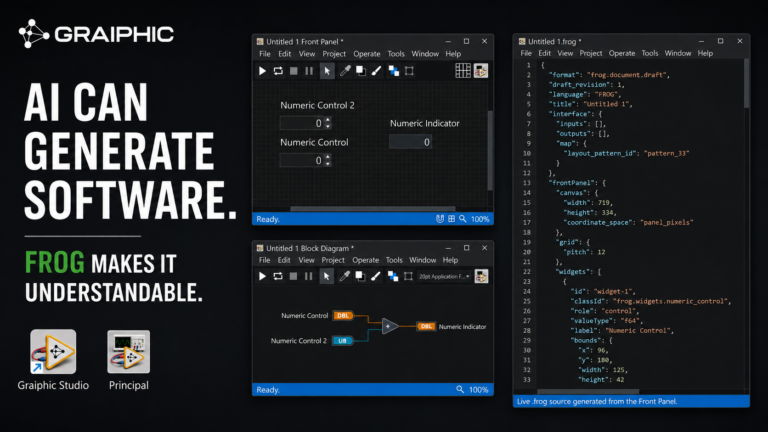
AI Can Generate Software. FROG Is Designed to Make It Understandable.
AI can now generate software faster than engineering teams can reasonably inspect it. FROG is Graiphic’s open graphical dataflow language, designed to combine machine-generatable structured source with visual inspection, explicit validation and…
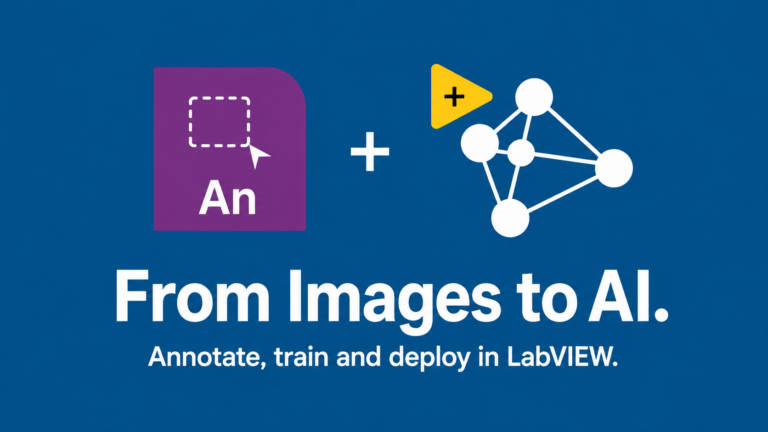
From Dataset to Deployment: The LabVIEW Annotation Tool Brings End-to-End Computer Vision AI to SOTA
Graiphic’s LabVIEW Annotation Tool brings dataset import, annotation, augmentation, local model training, testing and LabVIEW project generation into one coherent SOTA workflow. No mandatory cloud dependency, no fragmented toolchain and no Python…
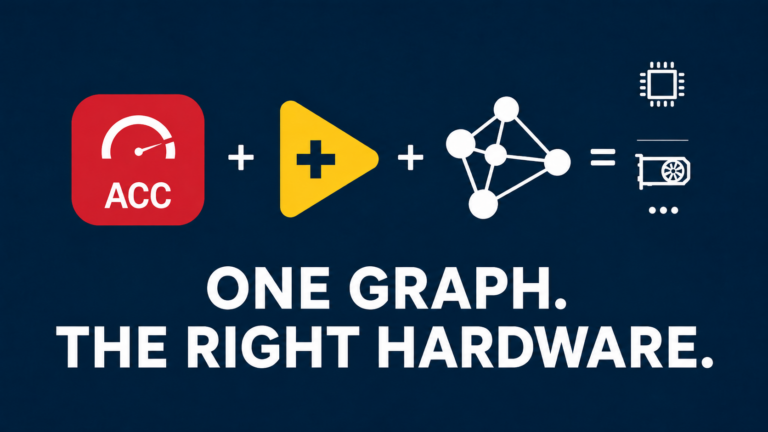
The GPU Is Not Enough: Understanding Execution Providers and Accelerating LabVIEW with ONNX Runtime
A GPU alone does not guarantee a faster LabVIEW application. This technical guide explains how ONNX Runtime Execution Providers optimize and partition computation graphs, how GraphMX connects them to LabVIEW, and what Graiphic’s open GPU benchmarks…
SOTA for LabVIEW: What It Is and How to Install It
SOTA is Graiphic’s unified AI ecosystem for LabVIEW, covering deep learning, computer vision, generative AI and GPU acceleration. This guide explains how SOTA works and how to install the platform, its toolkits, drivers, add-ons and licenses.
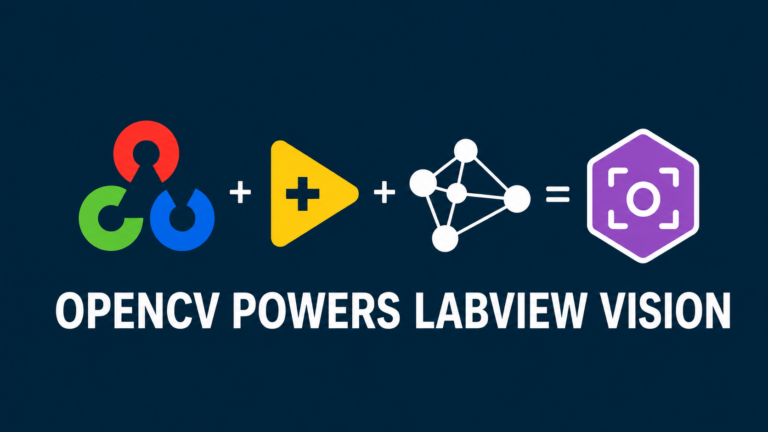
From Pixels to Production: How OpenCV Powers the LabVIEW Computer Vision Toolkit
Graiphic has integrated OpenCV as a core technology of the LabVIEW Computer Vision Toolkit. Available through SOTA, it brings acquisition, image processing, ROI management, inspection, display, video workflows and AI-ready vision pipelines directly…
From the DeepSeek Moment to the Kimi Moment: Why GGUF Matters for Industrial AI and LabVIEW
Kimi K3 shows how quickly open-weight AI is advancing. With GGUF, llama.cpp and the LabVIEW GenAI Toolkit, SOTA gives the LabVIEW community a practical path toward local, multimodal and hardware-aware industrial AI.
GGUF and llama.cpp Are Now Available Natively in LabVIEW
SOTA now integrates the llama.cpp runtime, enabling LabVIEW developers to load and run compatible GGUF models directly in LabVIEW without converting them to ONNX or PyTorch. This brings local and quantized LLM inference to industrial, research, and…
PyTorch Is Now Natively Supported in LabVIEW
The LabVIEW Deep Learning Toolkit now integrates the PyTorch runtime. Run compatible PyTorch models directly in LabVIEW without converting them to ONNX.
SafeTensors in LabVIEW: Hugging Face Models Come to SOTA
Hugging Face is now available in SOTA. With this new add-on, LabVIEW developers can load and run SafeTensors models natively using the LabVIEW Deep Learning Toolkit, directly from the SOTA platform.
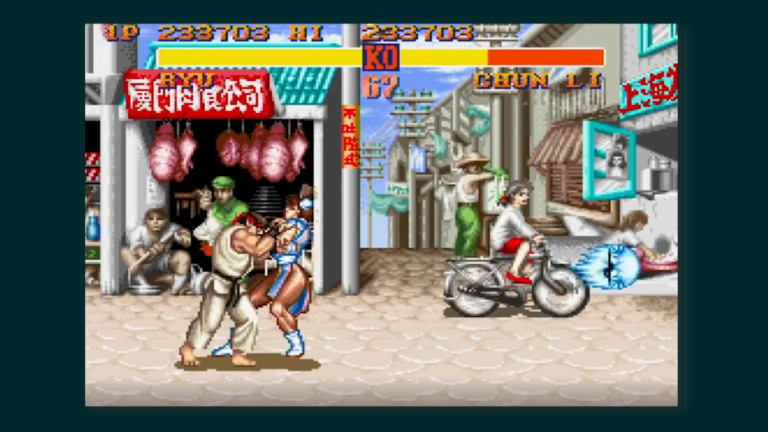
One Ryu, Four Experts: DeepMX Brings Mixture-of-Experts Reinforcement Learning to LabVIEW
Graiphic demonstrates DeepMX running a Mixture-of-Experts reinforcement learning agent in LabVIEW, with a trained router selecting specialist policies for each opponent.
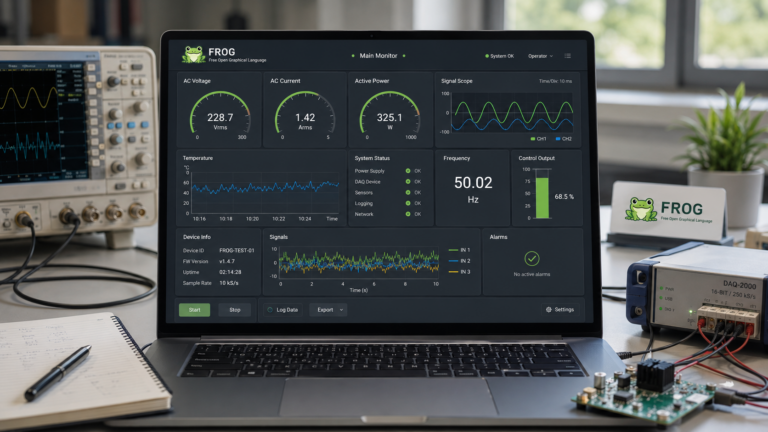
AI Governance in 2026: Why Generated Software Needs Accountable Understanding
As AI governance becomes operational in 2026, organizations face a harder problem than generating more code: keeping software understandable, reviewable, and accountable. FROG, Graiphic’s Free Open Graphical Language, explores an open graphical…
From Graphical Programming to Accountable Execution: Where FROG Stands Today
FROG is moving from vision to executable proof. The project now exposes a bounded path from open graphical source to FIR, lowering, backend contracts, runtime acceptance, and LLVM proof — a first step toward accountable graphical programming in the…
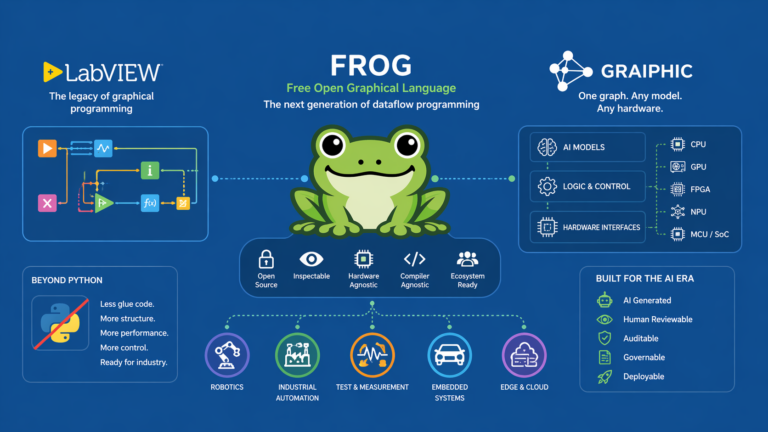
After LabVIEW, Beyond Python: Why Graiphic Is Building FROG
FROG is Graiphic’s vision for the next era of graphical programming: an open, inspectable, hardware-agnostic and compiler-agnostic language designed for industrial systems, AI-era software governance, and a future beyond closed graphical stacks and…
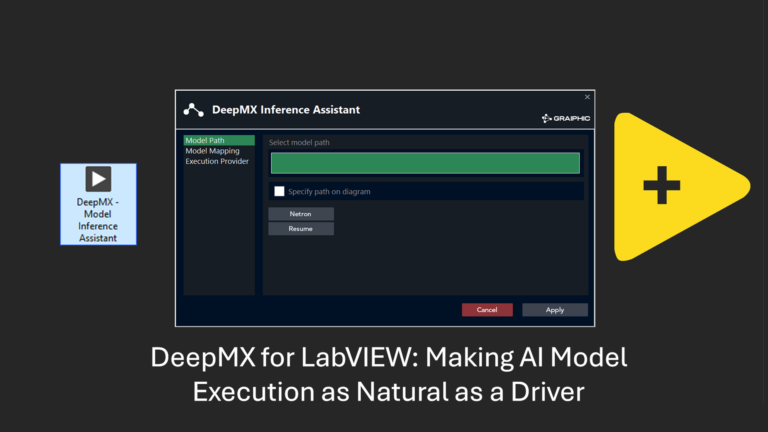
DeepMX for LabVIEW: Making AI Model Execution as Natural as a Driver
What if running an AI model in LabVIEW felt as natural as using a driver? DeepMX is Graiphic’s new execution layer for AI models in LabVIEW, designed to make hardware-optimized inference simple, accessible, and industrial-ready. And this is only…
Introducing FROG: Why We Are Building an Open Graphical Programming Language
FROG is Graiphic’s new open graphical dataflow language initiative: a hardware-agnostic, source-transparent foundation for building serious software beyond the syntax-first bottleneck.
Graiphic Joins the LabVIEW Usergroup Central Europe and Expands Its European AI Vision
Graiphic has joined the LabVIEW Usergroup Central Europe to share its SOTA sovereign development ecosystem for AI driven test systems. Expect deep learning, computer vision, accelerators, and GenAI toolkits, plus new releases and a clear roadmap.
40 Years of LabVIEW, 50 Years of NI: When Visual Thinking Meets the Age of AI
LabVIEW doesn’t just let you write code, it lets you see it. As LabVIEW turns 40 and NI turns 50, this article revisits the power of graphical dataflow and explores why the AI shift makes visual, system level thinking more relevant than ever.
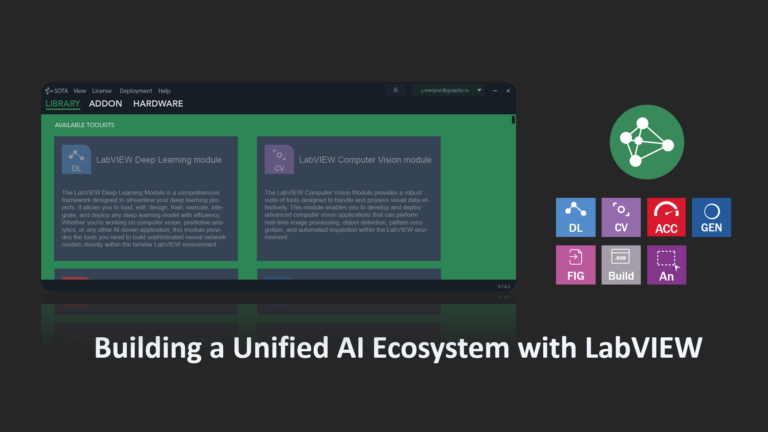
Graiphic 2025–2026: Building a Unified AI Ecosystem with LabVIEW
2025 was a paradoxical year for Graiphic: financially difficult, yet extraordinarily innovative. From the launch of SOTA to the emergence of Graph Orchestration, deep learning, GenAI, and hardware ambitions, this article reflects on what was built…
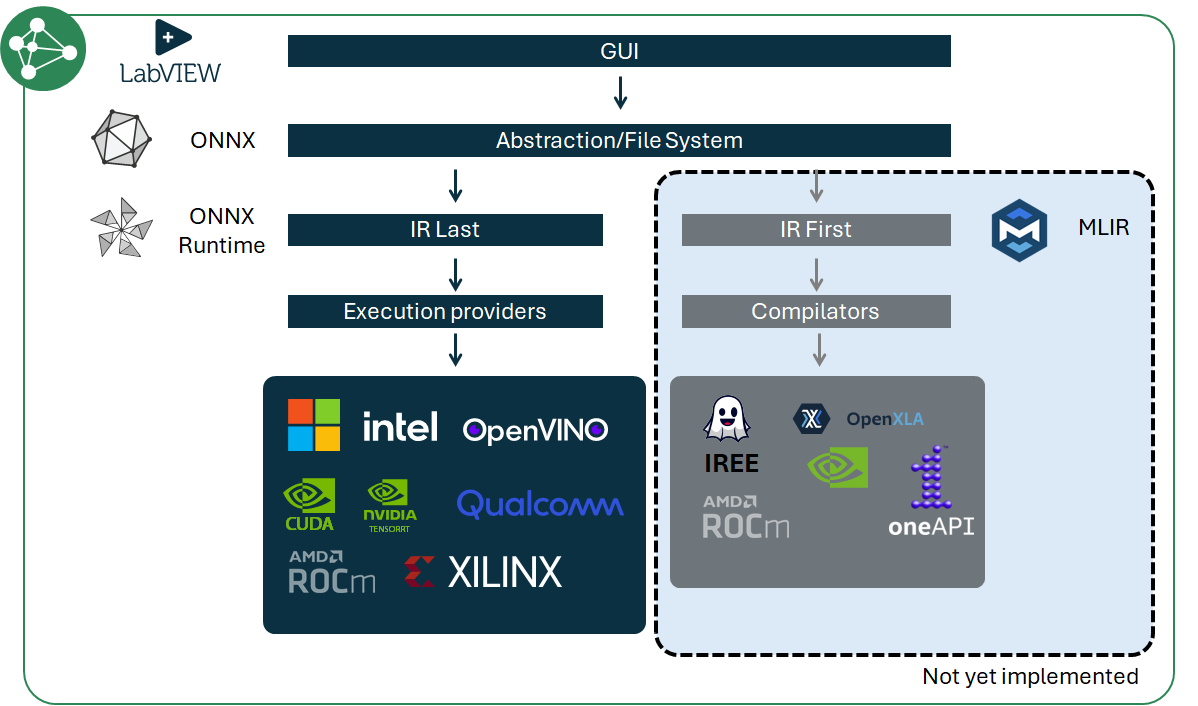
From Fragmentation to a Unified Graph IDE: Introducing the Graiphic GO Whitepaper Series
We’ve published the Graiphic GO Whitepaper Series on GitHub: four documents that describe a unified, ONNX-native, LabVIEW-based approach to graph computing—bringing AI, logic, and hardware orchestration under one visual environment. SOTA is the…
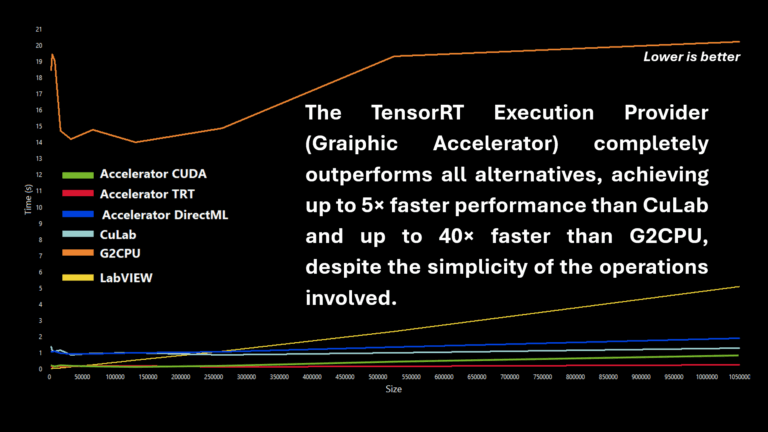
Benchmarking LabVIEW GPU Toolkits — Open, Reproducible, and Graph-First
We open-sourced our full LabVIEW benchmark suite and results. See why graph-compiled execution (TensorRT/CUDA via ONNX Runtime) consistently outpaces DLL-style approaches—and how DirectML broadens GPU support to AMD/Intel on Windows.
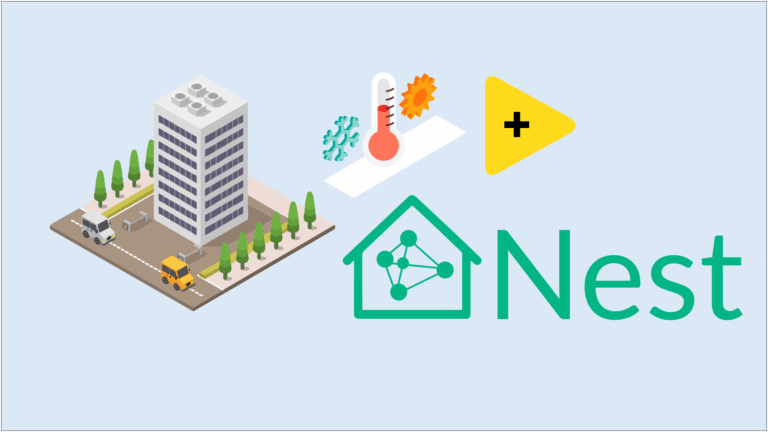
Graiphic Launches NEST — The World’s First Self-Learning, Edge-Native AI for Energy-Efficient Buildings
NEST redefines building intelligence through self-learning AI that runs locally, privately, and efficiently — no cloud, no compromise.
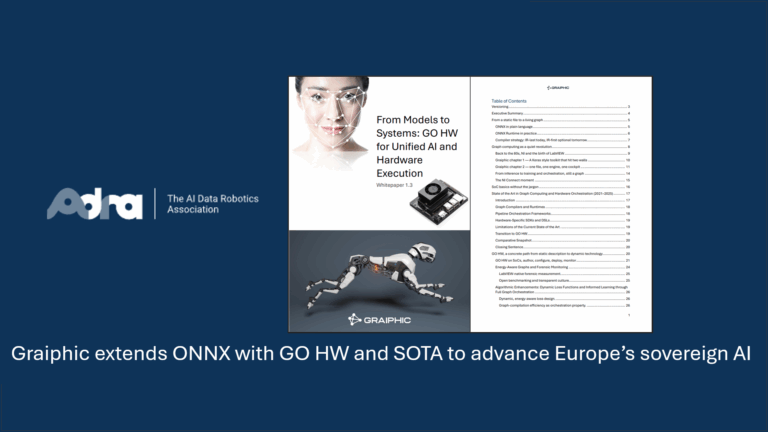
Graiphic Featured by ADRA Europe: Advancing Europe’s Sovereign and Energy-Efficient AI
Graiphic has been featured by the AI, Data and Robotics Association (ADRA) for its contribution to Europe’s sovereign and energy-efficient AI through GO Hardware (GO HW) and SOTA — two ONNX-based technologies bridging AI, logic, and hardware.
From Static Files to Living Graphs: Graiphic’s Roadmap with ONNX GO HW
Graiphic’s GO HW initiative transforms ONNX from a static file into a living graph that unifies AI, logic, and hardware orchestration. Learn how this roadmap reshapes edge computing, energy-aware AI, and open innovation.
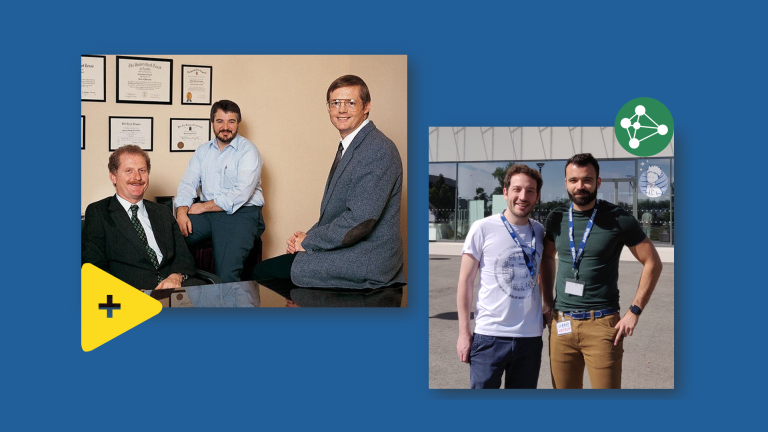
What If He Was Right? A Texas-Born Revolution for LabVIEW, AI, and Robotics
What if he was right? If Graiphic’s engineers see clearly, a modernized LabVIEW could become the universal, frugal, efficient cockpit for AI and robotics—awakening NI’s true potential and sparking a Texas-born revolution.

Energy Efficiency: The Strategic Choice for AI
As AI workloads surge, energy has become a first-class challenge. While Big Tech bets on nuclear-powered cloud datacenters, most industrial, medical, and embedded applications thrive on efficient local execution. At Graiphic, we focus on…
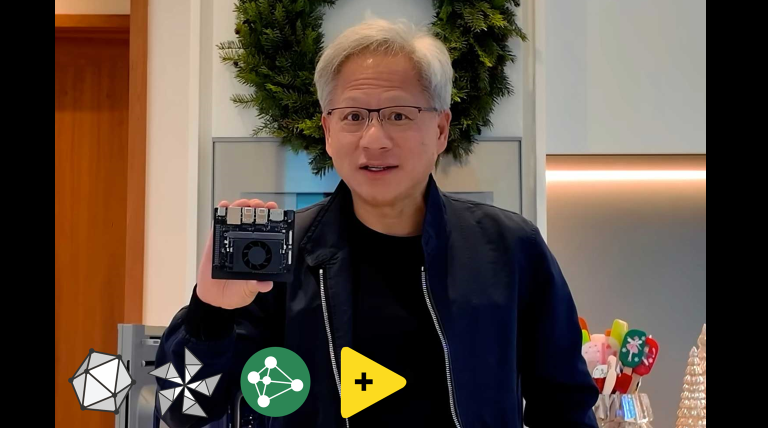
Chips are racing ahead but the real AI race is for the IDE
NVIDIA, AMD, Intel, Google, everyone is racing to build faster, more energy-efficient AI chips. But the true challenge is orchestration. French startup Graiphic unveils GO HW, a universal IDE to program any hardware through a single ONNX graph.
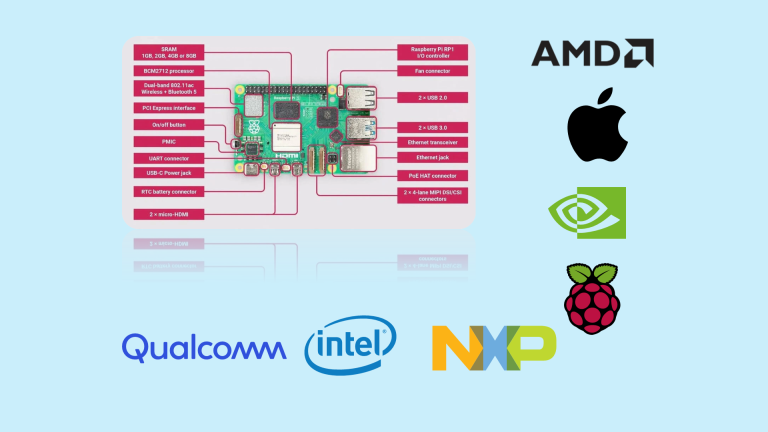
SoC: the “City on a Chip” — and why GO HW changes the game
SoC explained with clear metaphors and a practical map to ONNX Runtime EPs—then how GO HW unifies AI, control logic and I/O in a single graph deployable anywhere.
LabVIEW Everywhere: From Gauges to Pilot
LabVIEW everywhere is no longer just a cockpit of gauges. With ONNX and its safety profile, it becomes a pilot — efficient on SoCs, fast in inference, and certifiable for aerospace and defense.
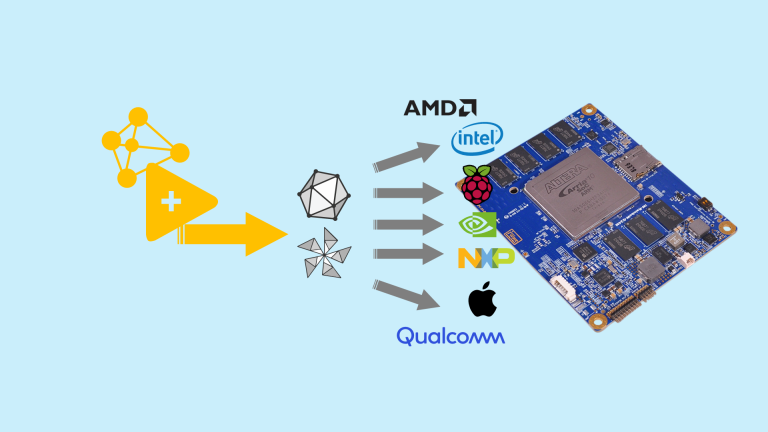
LabVIEW Everywhere: Deploy without the LabVIEW Runtime, powered by ONNX GO HW
Design in LabVIEW, deploy anywhere. With ONNX GO HW, a single ONNX graph runs AI, control logic, and physical I/O—no LabVIEW runtime on the device, maximum efficiency per watt.
ONNX GO: Revolutionizing Dynamic Graph Orchestration and Execution
Discover how ONNX GO transforms computational graph orchestration with dynamic runtime execution, intuitive visual programming, and unmatched performance efficiency.
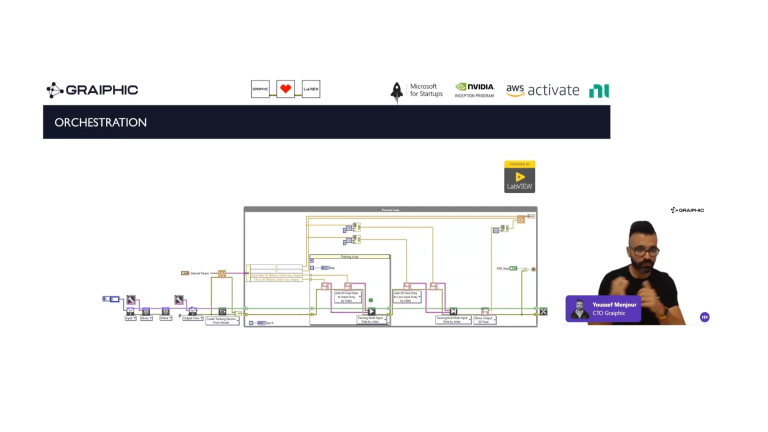
Graiphic Unveils SOTA and ONNX GO at GLA Summit 2025: Revolutionizing AI Development in LabVIEW
Graiphic showcased SOTA, the first fully native ONNX-based deep learning framework, at the GLA Summit 2025, redefining visual AI orchestration within LabVIEW.
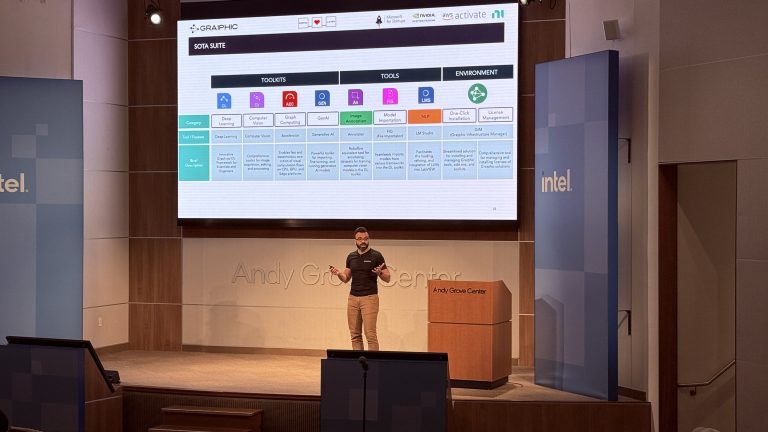
Graiphic Presents SOTA at ONNX Annual Meetup 2025: A New Paradigm in Graph Computing & AI Development
Graiphic showcased SOTA at the ONNX Annual Meetup 2025—a breakthrough visual AI and graph computing framework combining LabVIEW, ONNX, and ONNX Runtime. From deep learning orchestration to general computation graphs, SOTA pushes the boundaries of…
Graiphic to Showcase SOTA at GLA Summit 2025: LabVIEW Meets Modern Deep Learning
Discover how SOTA is transforming LabVIEW into a powerful platform for modern deep learning at the GLA Summit 2025.
Graiphic’s ONNX Runtime Execution Providers Node Coverage Project
Graiphic introduces a comprehensive node-level testing project for ONNX Runtime execution providers, enhancing transparency and facilitating industrial adoption.
LabVIEW Evolves into a Graph Editor: Introducing the LabVIEW Accelerator Toolkit
Discover how LabVIEW transforms into a versatile graph editor with ONNX Runtime orchestration, significantly accelerating computations and enhancing hardware optimization.
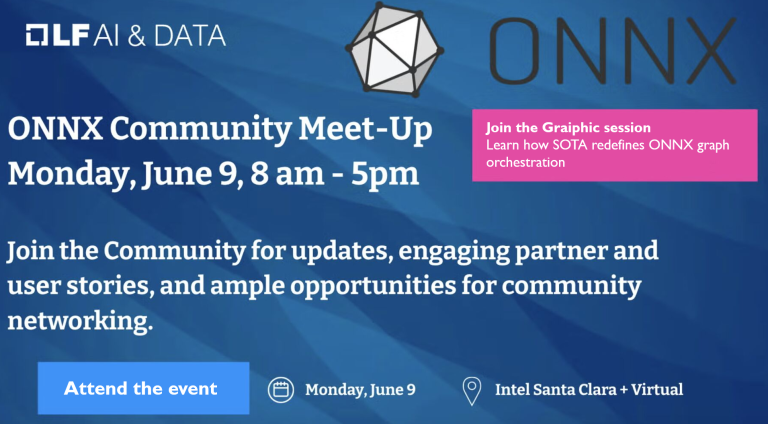
Graiphic Selected by ONNX Steering Committee to Present SOTA at Santa Clara
Graiphic will present SOTA, the first fully graphical orchestration framework for ONNX Runtime, at Intel’s headquarters during the ONNX Community Meetup 2025.
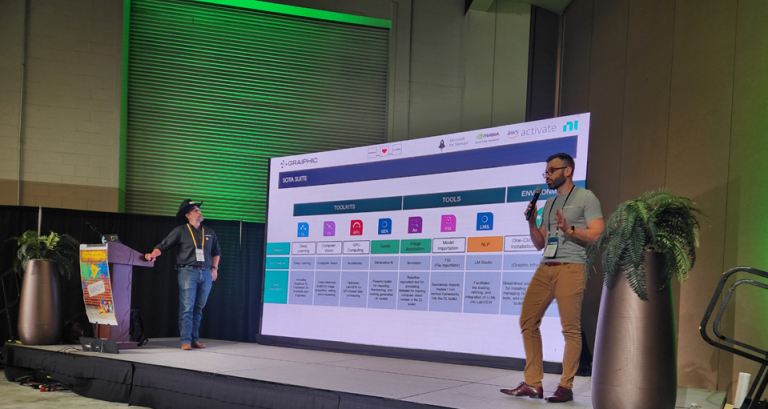
Graiphic at NI Connect 2025: Showcasing a Unified AI Ecosystem Built for Industry and Research
Graiphic presented SOTA at NI Connect 2025 — a unified deep learning ecosystem built natively in LabVIEW, designed to simplify AI adoption in industrial and academic environments, powered by ONNX Runtime.
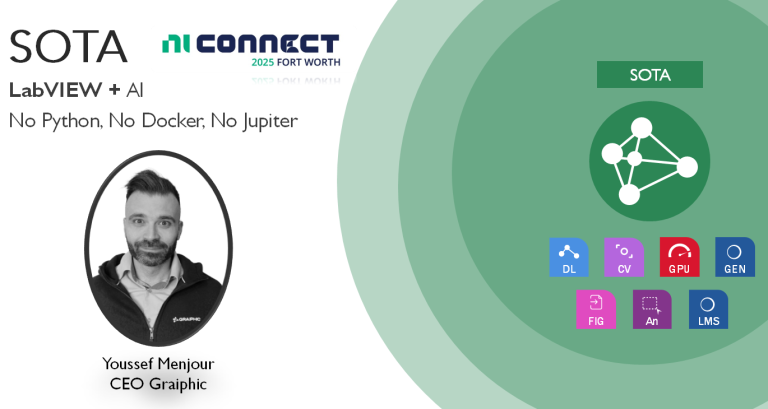
Graiphic to Showcase SOTA at NI Connect 2025 in Fort Worth
Graiphic is set to unveil SOTA, its cutting-edge AI framework designed for and with LabVIEW, during NI Connect 2025 in Fort Worth. A new era for AI + LabVIEW integration.
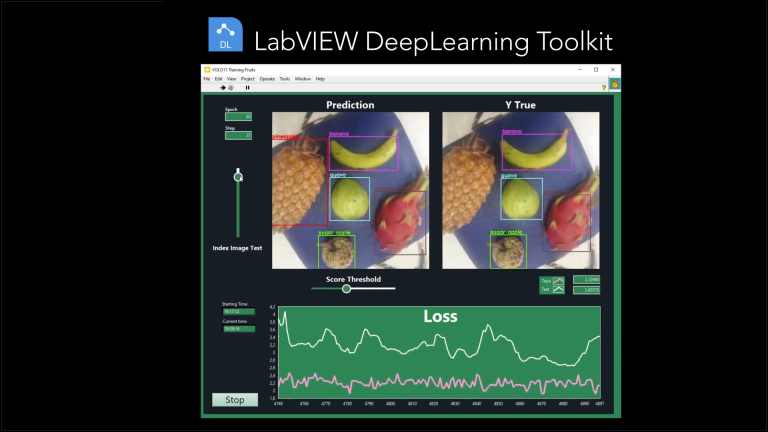
Industrial-Grade YOLO Training in LabVIEW – No Python, No Ultralytics, Full ONNX Stack
A world-first milestone: YOLO 11 is now trainable in LabVIEW with ONNX Runtime. No Ultralytics code. No Python. No AGPL. A new era of deep learning begins—for industry, science, and embedded systems.

Qwen 2.5 VL Instruct 7B now available on SOTA !
Discover how Qwen 2.5 VL Instruct 7B, a cutting-edge multimodal AI model from Alibaba Cloud, is transforming open-source LLMs. Learn about its integration into LabVIEW using Graiphic’s GenAI Toolkit, enabling seamless deployment of GGUF-based…
Qwen 2 VL Instruct 7B: A Major Chinese Breakthrough in Open-Source LLM
Discover how Qwen 2 VL Instruct 7B, a cutting-edge multimodal AI model from Alibaba Cloud, is transforming open-source LLMs. Learn about its integration into LabVIEW using Graiphic’s GenAI Toolkit, enabling seamless deployment of GGUF-based models…
The Power of Interoperability in AI
AI interoperability is key to smooth model transfer across frameworks like PyTorch, TensorFlow, and LabVIEW. Tools like SOTA’s FIG simplify integration, boost collaboration, and accelerate innovation in AI development.
DeepSeek R1: A New Magic in Artificial Intelligence?
Explore how Graiphic’s SOTA Toolkit enables seamless execution of large language models like DeepSeek R1 in LabVIEW. Learn about the benefits of model distillation, quantization, and integration for cutting-edge AI performance and scalability.

We Are Looking for Beta Testers for SOTA, the Revolution in Deep Learning with LabVIEW!
Graiphic unveils SOTA: a revolutionary AI ecosystem for LabVIEW and deep learning. Experience unmatched graphical tools, seamless integration, ONNX Runtime support, and powerful toolkits. Join the open beta and explore the future of AI innovation!
LabVIEW and SOTA: Simplifying AI with Graphical Programming
SOTA toolkits, powered by LabVIEW, revolutionize AI development by combining intuitive graphical programming with cutting-edge tools for annotation, training, optimization, and deployment. This unified approach simplifies workflows, reduces costs…
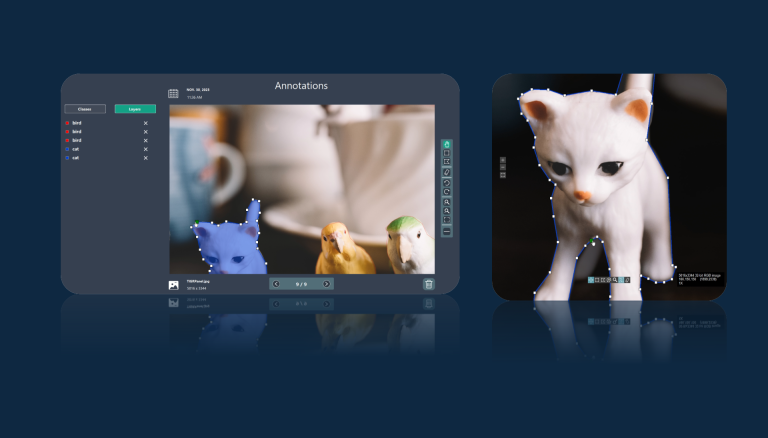
Annotation: Transforming AI Development, One Step at a Time
Discover Annotator, the revolutionary all-in-one tool for AI development. From data annotation to YOLO model training and deployment, Annotator simplifies your workflow while integrating advanced ONNX Runtime capabilities. Transform your AI…
ONNX, LabVIEW and SOTA: The Three-Stage Rocket Revolutionizing Artificial Intelligence
ONNX, ONNX Runtime, and SOTA form a powerful trio addressing AI workflow challenges. From seamless interoperability to flexible deployment and modular integration, transform your AI projects today.
Graiphic and ONNX Runtime: A Partnership to Revolutionize Machine Learning
Graiphic is now contributing to ONNX Runtime, enhancing training capabilities with support for critical nodes like Atan. This effort powers our SOTA suite, streamlining AI workflows and advancing European innovation in artificial intelligence.

Graiphic Reaches a Major Milestone in European Deep Learning Excellence
Graiphic has reached the final stage of the prestigious EIC Accelerator, showcasing our groundbreaking SOTA software suite. With a vision to lead in Deep Learning innovation, we are poised to become a key European tech champion.
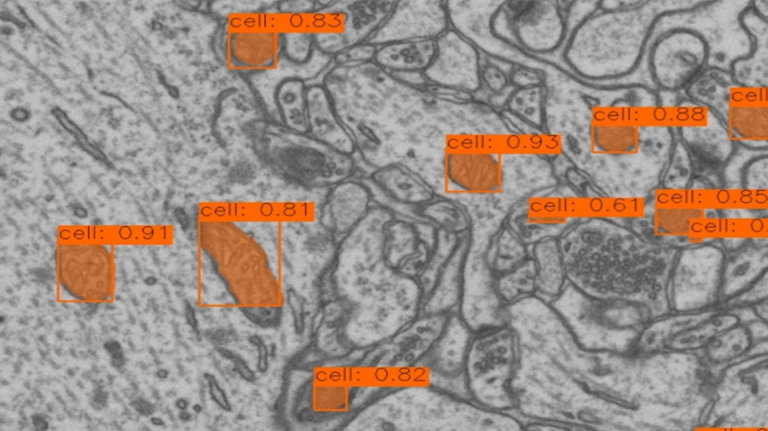
Analyzing Electron Microscopy with YOLO 11 in LabVIEW: A Promising Advancement in Automated Segmentation
YOLO v11, the latest advancement in computer vision models, is now available in our LabVIEW Deep Learning suite. YOLO v11 excels in tasks such as real-time object detection and image recognition.
Informed Machine Learning: Bridging Knowledge and Data for Sustainable AI
Learn how Informed Machine Learning (IML) combines domain expertise with AI to enhance accuracy and sustainability. With SOTA and CIAD’s groundbreaking advancements, Graiphic leads the way in creating eco-friendly and efficient AI solutions.
The AI Act: Shaping the Future of Artificial Intelligence in Europe
Discover how the groundbreaking AI Act sets the standard for safe, transparent, and innovative artificial intelligence, and how SOTA ensures seamless compliance while empowering European innovation.

Graiphic Submits Application to EIC Accelerator to Drive AI Innovation with SOTA
We’ve submitted our full proposal to the EIC Accelerator to bring SOTA, our groundbreaking AI platform, to market. Deployment starts in late October, positioning Graiphic as a leader in European AI innovation.
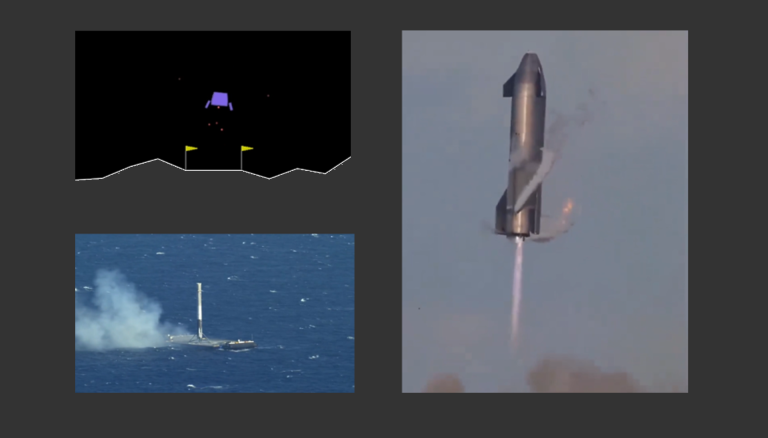
The Importance of Reinforcement Learning: A Game Changer for Industry, Research, and Academia
Reinforcement Learning is revolutionizing industries and research by enabling complex problem-solving through environment-based learning, as showcased in both real-world applications like SpaceX rockets and tools such as SOTA’s Deep Learning…

Major Evolution of Our AI Ecosystem: Announcing the Upcoming Release of Our Unified Toolkit in October 2024
Discover the next generation of our AI solutions with the launch of our fully rebranded and enhanced unified toolkit, coming in October 2024.
Welcome Llama 3.1 on LabVIEW
Llama 3.1 Small language model is now available on our LabVIEW Deep Learning suite. Llama 3.1 excels in tasks like natural language understanding, sentiment analysis, and generating context-aware responses.
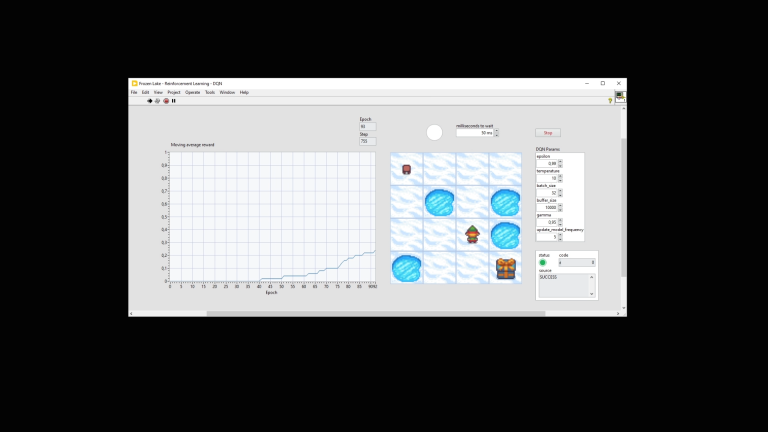
Reinforcement learning on LabVIEW
This video may seem simple, but it represents the culmination of over three years of intense development, creating a groundbreaking deep learning framework entirely in LabVIEW, capable of real-time performance without acceleration, with the…
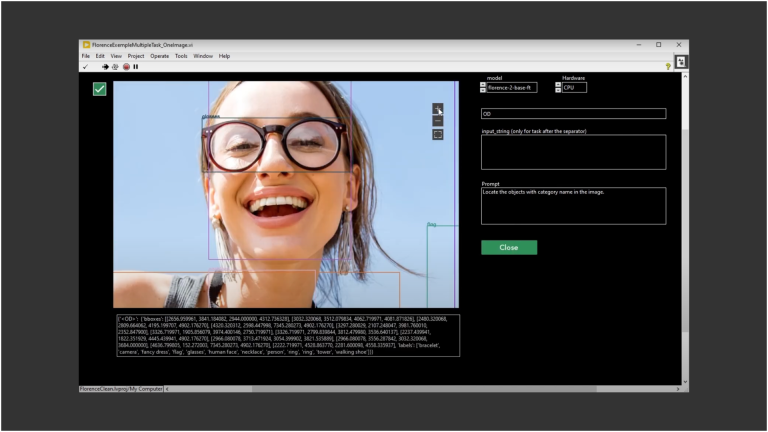
Welcome Florence-2 on LabVIEW
Florence-2 Visual language model is now available on our LabVIEW Deep Learning suite. Florence-2 excels in tasks like image captioning and object detection with a prompt-based architecture.
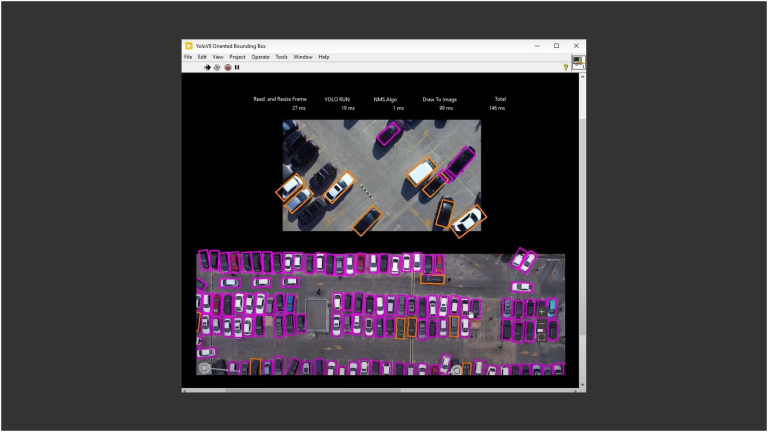
Welcome Computer Vision Model YOLO v8 oriented bounding box on LabVIEW
YOLO v8 OBB is now available in our LabVIEW Deep Learning suite. YOLO v8 OBB is specifically optimized for oriented bounding box detection.
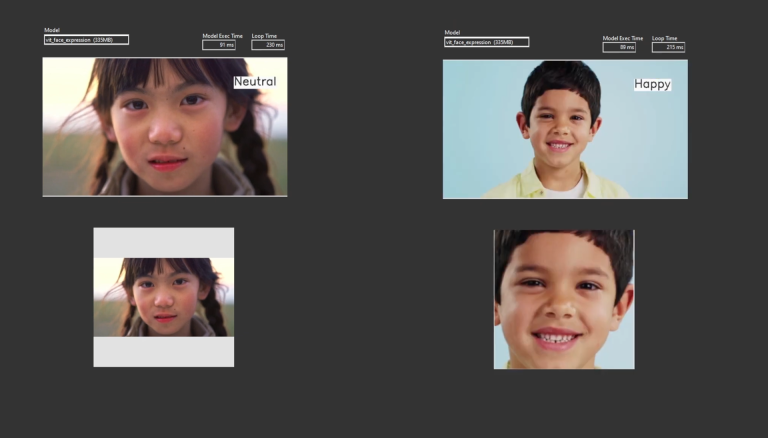
VIT face expression on LabVIEW
vit-face-expression model is now available on our LabVIEW Deep Learning suite. vit-face-expression provides accurate and efficient facial emotion recognition, enhancing the capabilities of robotics, AI, and automation applications.
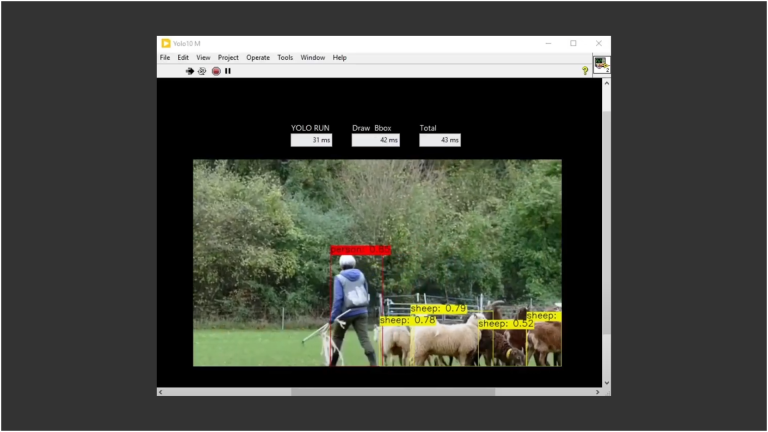
Welcome Computer Vision Model YOLO v10 on LabVIEW
YOLO v10, the latest advancement in computer vision models, is now available in our LabVIEW Deep Learning suite. YOLO v10 excels in tasks such as real-time object detection and image recognition.
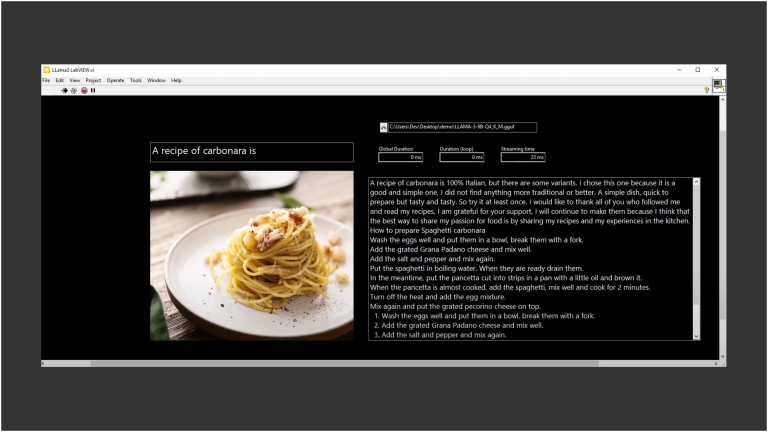
Integration of LLaMA 3 into LabVIEW: A New Era of Robotics, AI, and Automation
Integrating LLaMA 3 into LabVIEW revolutionizes robotics, AI, and automation by leveraging the advanced capabilities of Meta’s latest language model through the LabVIEW Deep Learning Module
Welcome to SOTA: The Next Generation of AI Development Toolkits
We are thrilled to introduce SOTA, our next-generation suite of LabVIEW tools and toolkits designed to replace HAIBAL, TIGR, PERRINE, and GIM.
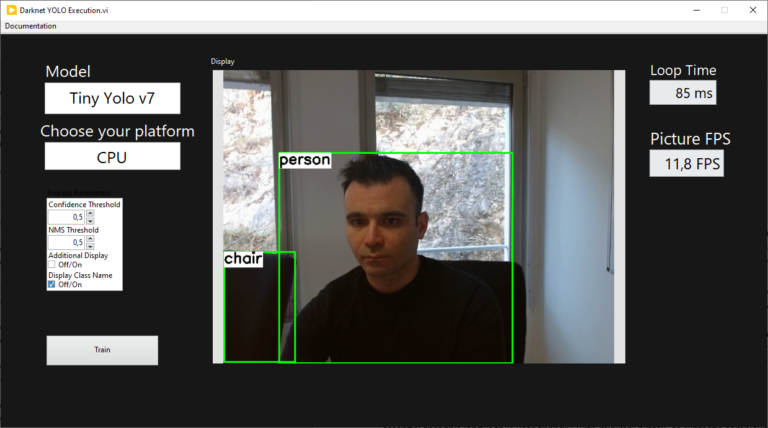
DarknetYOLO package add-on
This guide provides a step-by-step installation of the DarknetYOLO package using GIM (Graphic Installation Management software).
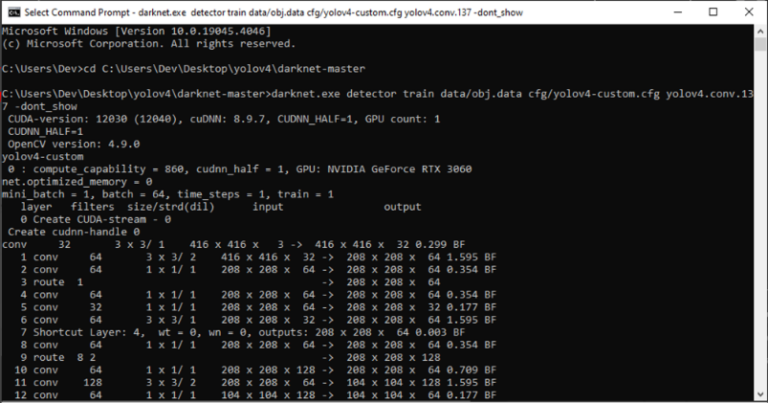
Setup Darknet Environment
This page offers comprehensive instructions on how to install Darknet Environment before train and customize a YOLO Darknet model.
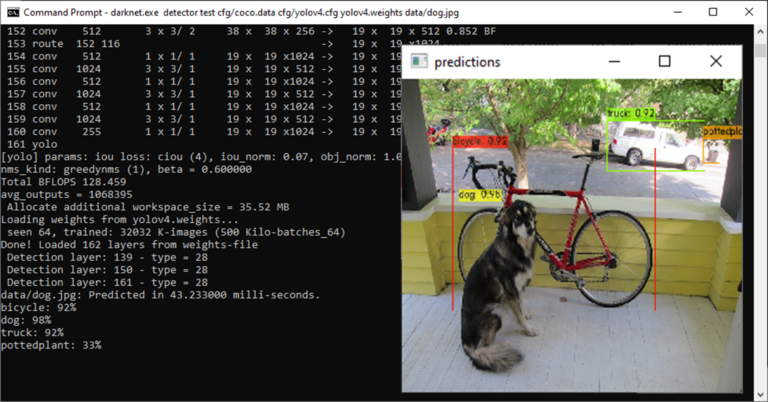
Training Darknet YOLO Procedure
This page offers comprehensive instructions on how to train and customize a YOLO Darknet model.
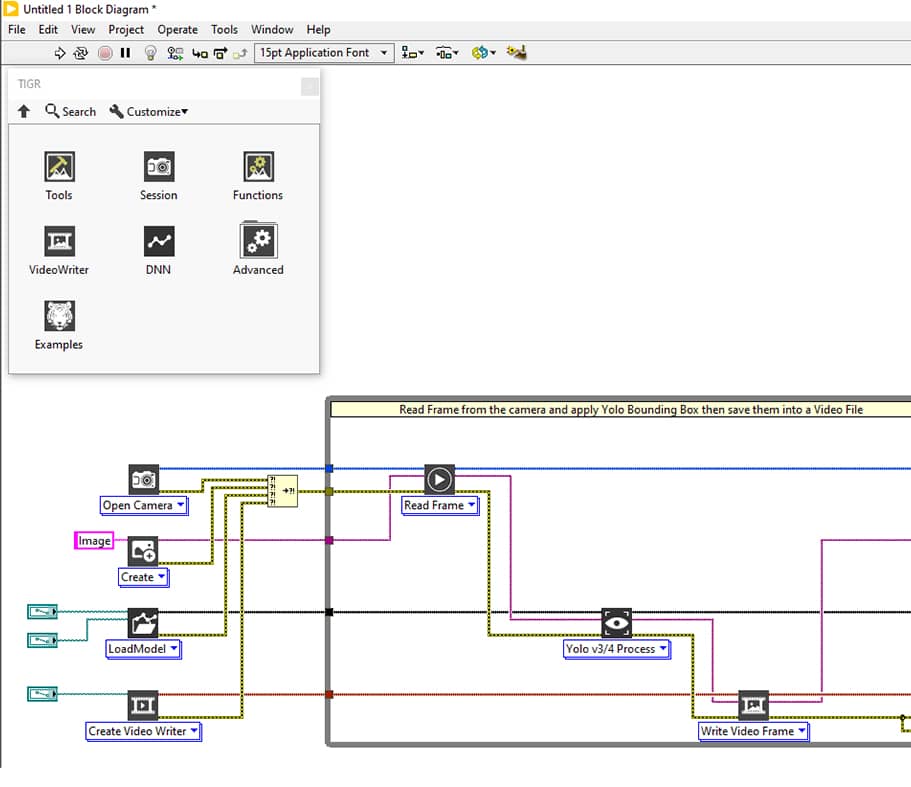
TIGR1.3.1 release notes
TIGR Vision is a computer vision toolkit for LabVIEW, designed to simplify the incorporation of deep learning for powerful and reliable applications.
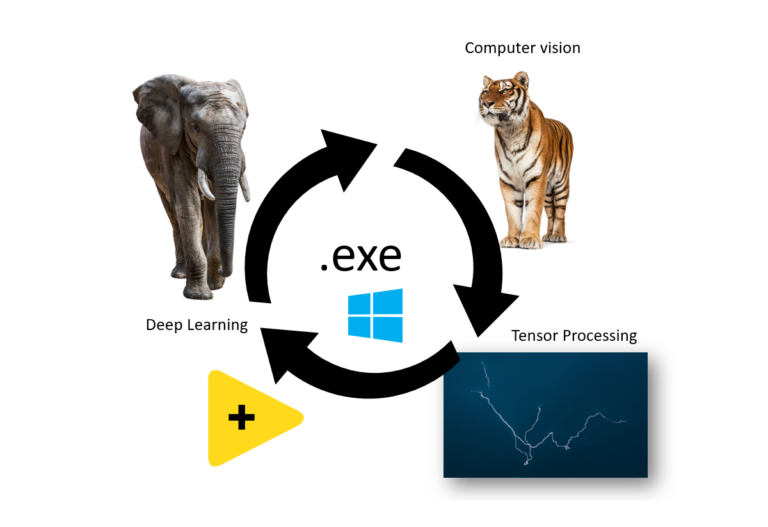
Building Executables from Graiphic Toolkits with Builder Tool
This guide demonstrates how to create executables (2nd method – Builder tool) from HAIBAL Deep Learning, TIGR Vision, and PERRINE Tensor Processing toolkits in LabVIEW.
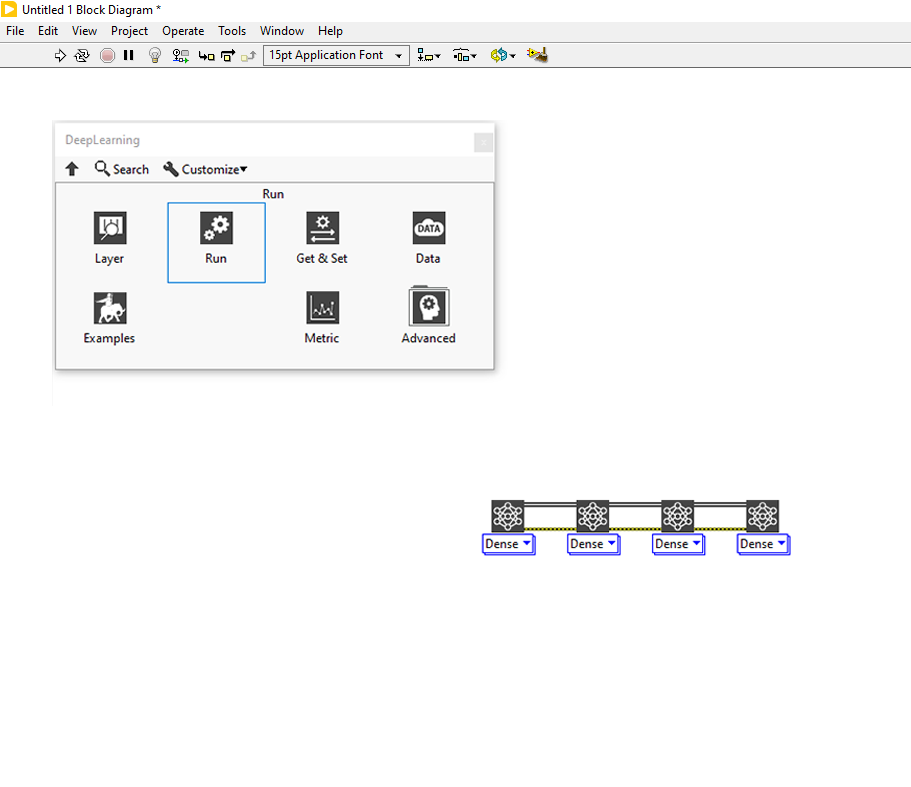
HAIBAL 1.5.0 release notes
Explore the latest HAIBAL update, enhancing your Deep Learning projects in LabVIEW with new features
Building Executables from Graiphic Toolkits using Post Build File method
This guide demonstrates how to create executables from HAIBAL Deep Learning, TIGR Vision, and PERRINE Tensor Processing toolkits in LabVIEW. It simplifies deploying AI, computer vision, and tensor computation projects by converting them into…
Our wishes for 2024
LabVIEW NXG reborn, LabVIEW Copilot LLM of 55 Bilions parameters, LabVIEW Jetson Nano, discover the ambitious Graiphic roadmap for 2024
TIGR1.3 release notes
Discover the latest functionalities including AutoAdjustContrast, Hue, Saturation, and more. Update your toolkit to enjoy these enhancements and refer to the documentation for detailed instructions.

TIGR1.2.5 release notes
Explore the latest toolkit enhancements including palette updates, new functionality for Regions of Interest (ROIs), and improved editing features.
TIGR1.2 release notes
Explore the latest enhancements, including palette updates and improved ROI functionalities, alongside new functions like Split and Segmentation Mask.
TIGR1.1.1 release notes
Discover the new features, including Weighted Sum, ColorImage To U8C3 Array, Segmentation Mask, Segmentation Masks, and PictureToImage.
PERRINE 1.1 release notes
All release notes are available at this page . Documentation for all features is available hereDownload link Release NotesV1.1 Date of release 15 September 2023 Bugs/Improve Comment Search In Array Initialization of the index variable when…
PERRINE 1.0 release notes
All release notes are available at this page .Download link Release NotesV1.0 Date of release 15 September 2023 Tensor CreateTensor HostToDevice DeviceToHost&Free DeviceToHost FreeMemory CopyTensor CreateTensor&HTD ResetDevice DeviceToDevice…
Announcing the release of the LabVIEW Acceleration Toolkit – Perrine
We’re excited to announce the upcoming release of the LabVIEW Perrine accelerator toolkit. To make HAIBAL deep learning a reference, enhancing pre and post-processing speeds is essential. This led us to initiate the Perrine project this early…
A Clash of Vision: Unleashing the Power of Image Processing Libraries – OpenCV, NI Vision, TIGR, and Matlab
Introduction In the fast-paced world of image processing and computer vision, a compelling newcomer is set to revolutionize the landscape – TIGR. This hybrid library blends the best of OpenCV’s versatility and NI Vision’s user-friendly integration…
TIGR1.1.0 release notes
All release notes are available at this page .Download link Release NotesV1.1.0 Date of release 26 July 2023 Features Added palette : Now we can ROI directly on image indicator with a new palette selectors U8ArrayToColorImage : Added channel first…
Deep Learning Framework Showdown: Unraveling the Key Distinctions between Keras, TensorFlow, HAIBAL and PyTorch
IntroductionIn the dynamic world of deep learning, Keras, TensorFlow, PyTorch, and HAIBAL stand as prominent contenders, each with its unique contributions. Keras, a user-friendly neural network API in Python, excels in rapid prototyping…
Graiphic is now in partnership with NVIDIA
🚀 Our company, Graiphic, has always believed that 𝐋𝐚𝐛𝐕𝐈𝐄𝐖 is the ultimate technological language of the future. However, we understand the importance of giving it a boost to unlock its full potential. And today, we present to you our response! We…
HAIBAL 1.3.6 release notes
All release notes are available at this page .Download link Release NotesV1.3.6 Date of release July 2023 Features Layers Native LabVIEW GPU (CUDA) Add2D done done Add3D done done Add4D done done Additive Attention done done AlphaDropout2D done…
HAIBAL 1.3.5 release notes
All release notes are available at this page .Download link Release NotesV1.3.5 Date of release 28 april 2023 Features Layers Native LabVIEW GPU (CUDA) Add2D done done Add3D done done Add4D done done Additive Attention done done AlphaDropout2D done…
TIGR1.0.0 release notes
All release notes are available at this page .Download link Release NotesV1.0.0 Date of release 27 April 2023 Features Image Management Image Manipulation Files CreateImage ExpandImage ReadImageFile GetImageInfo FlipImage WriteJPEGFile ReleaseImage…
HAIBAL 1.2.1 release notes
All release notes are available at this page .Download link Release NotesV1.2.1 Date of release 02 february 2023 Features Layers Native LabVIEW GPU (CUDA) Add2D done done Add3D done done Add4D done done Additive Attention done Next release…
HAIBAL 1.2.0 release notes
All release notes are available at this page .Download link Release NotesV1.2.0 Date of release 22 january 2022 Features Layers Native LabVIEW GPU (CUDA) Add2D done done Add3D done done Add4D done done Additive Attention done Next release…
HAIBAL 1.1.0 release notes
All release notes are available at this page .Download link Release NotesV1.1.0 Date of release 11 january 2022 Optimizers Functionality Status Information ConvLSTM1D/2D/3D, LSTM fixed bias initializations Concatenate fixed axe -1 now working Multi…
HAIBAL V1.0.0 release notes
All release notes are available at this page . Release NotesV1.0.0 Date of release 12 december 2022 FeaturesLayers Native LabVIEW GPU (CUDA) Add2D done done Add3D done done Add4D done done AdditiveAttention done Next release AlphaDropout2D done…
The Cuda integration v2
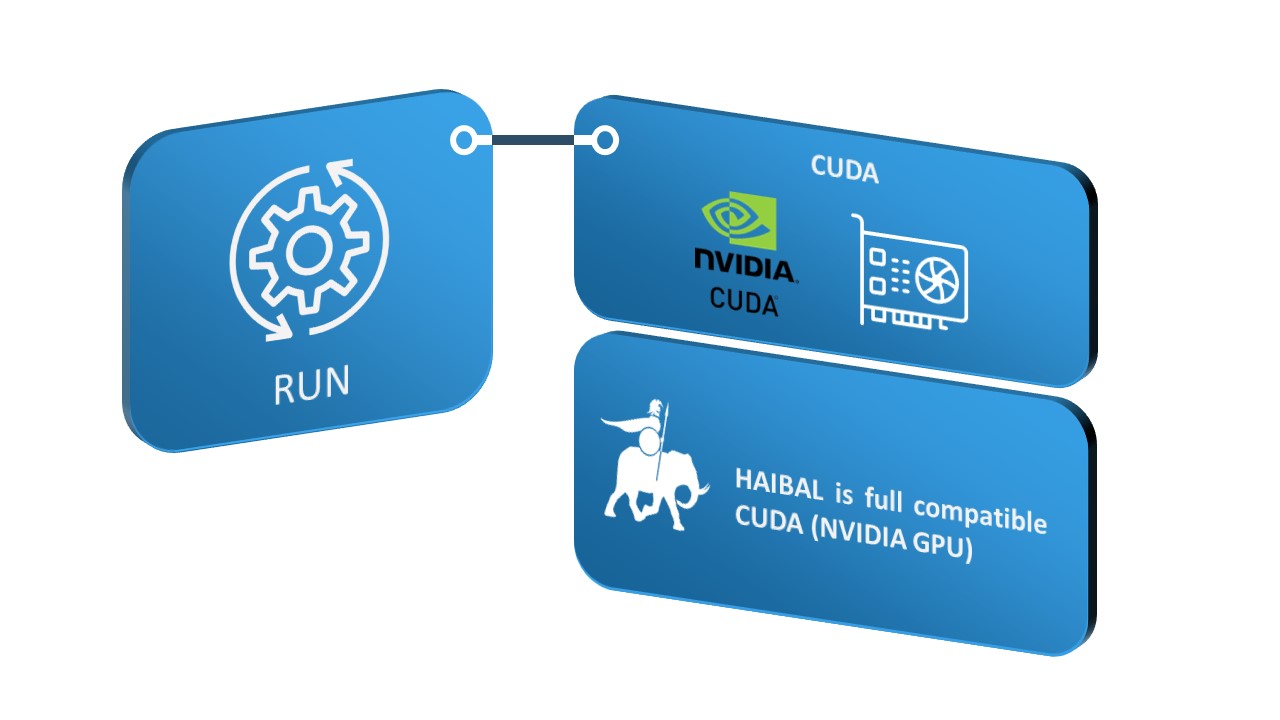
A first version of the Cuda integration is now used on HAIBAL to allow you to get the best out of your NVIDIA graphics card. The next step will be to finish and integrate all the functions (layers, optimizers, metrics). We will also continue to…
Status update #2 | CUDA and OneDNN
HAIBAL deep learning library for LabVIEW is still under devellopment. Our team worked last week on the integration of Cuda library and on the possibility to integrate OneApi architecture for Intel CPU and GPU CUDA We are still working on the…
Status update #1 | Architecture
As we have recently decided to better communicate on the HAIBAL project by making a weekly status, I will start this first progress report by talking about the overall progress of the project. HAIBAL deep learning library for LabVIEW project…
LabVIEW Deep Learning Library Architecture
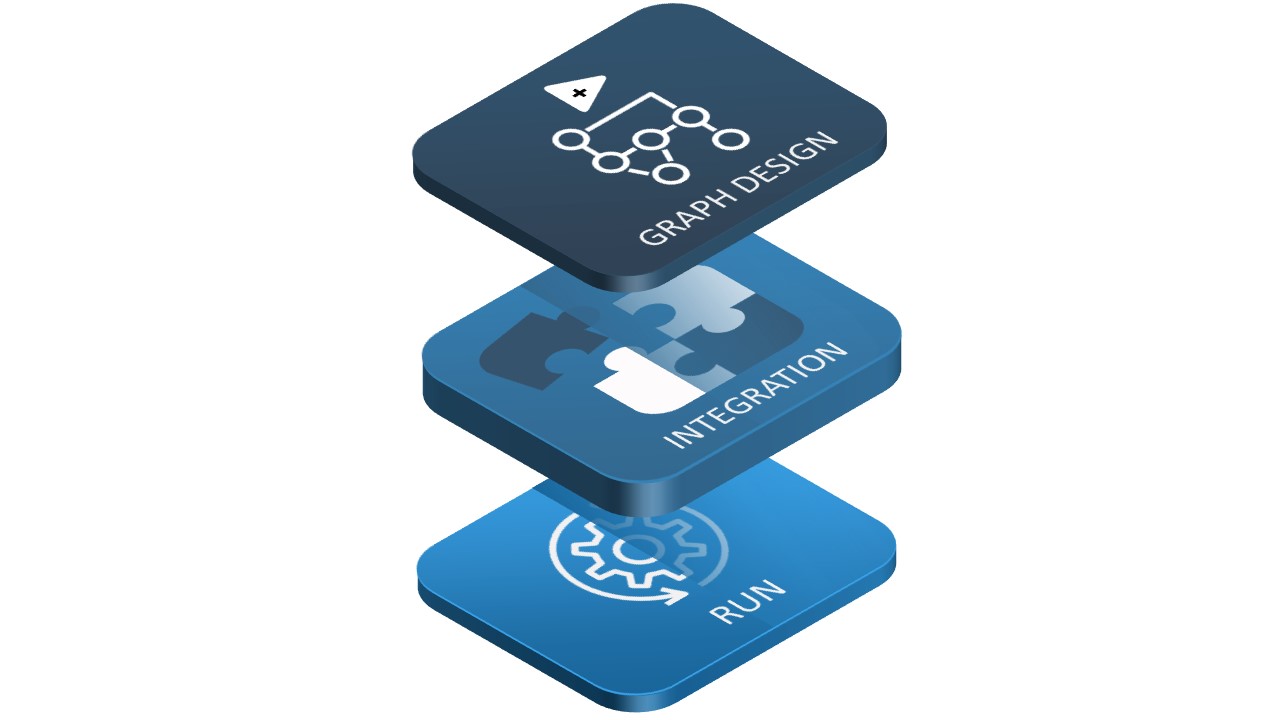
The LabVIEW HAIBAL software library includes a complete basic development kit to seamlessly create accelerated deep learning applications in just 3 steps. GRAPH DESIGN STEP In the first step, we define the model. This step offers two possibilities…

Example on the MNIST
BASIC NUMBER RECOGNITION EXEMPLE This example, implemented natively in the HAIBAL library, aims to understand how to train, predict, save and load a basic model. Our idea is to help our novice users to start simply with machine learning and then…
Official Release date
RELEASE DATE As we have finished the functional part of the library and are starting to work on the optimization part (acceleration of algorithme). We are proud to announce that HAIBAL will be released on August 10, 2022. LIST OF THE LAYERS…
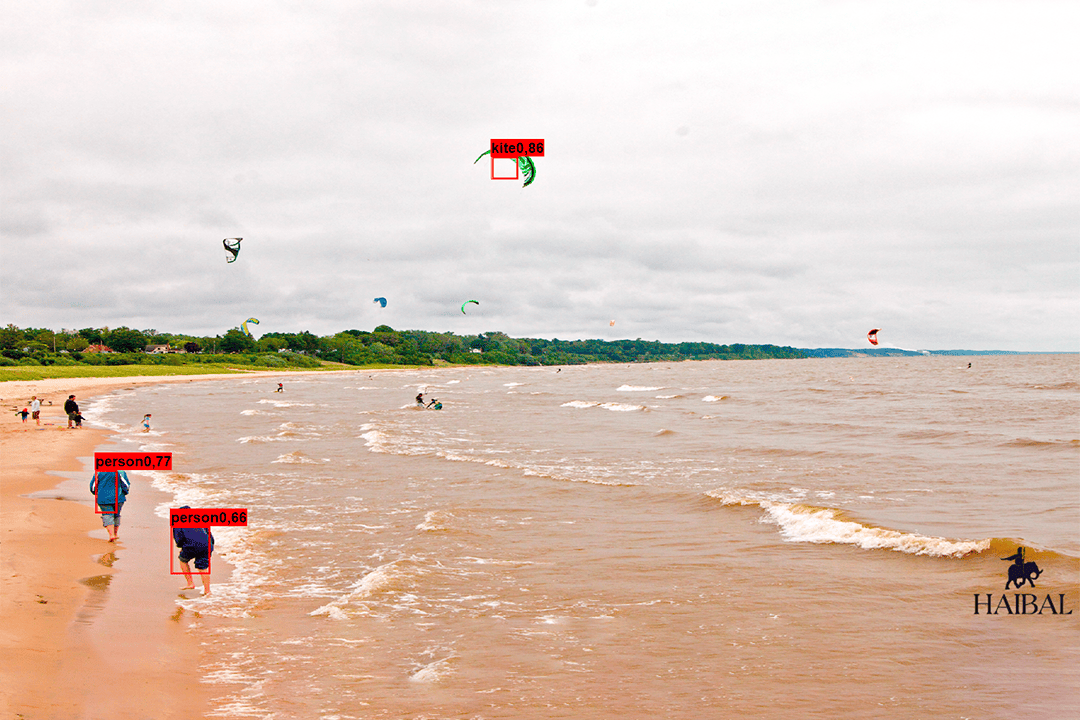
Importing a Tiny YoloV3 Model from Keras
A LITTLE HISTORY In 2016 Redmon, Divvala, Girschick and Farhadi revolutionized object detection with a paper titled: You Only Look Once: Unified, Real-Time Object Detection. In the paper they introduced a new approach to object detection — The…
LabVIEW Deep Learning Library
By persevering, we can achieve anything. It’s hot but we are getting there. 8 months ago, PyTorch (Meta) and Keras (Google) already existed, and yet we decided to write our own AI library. It’s now done, the HAIBAL project is alive! Self-declared…
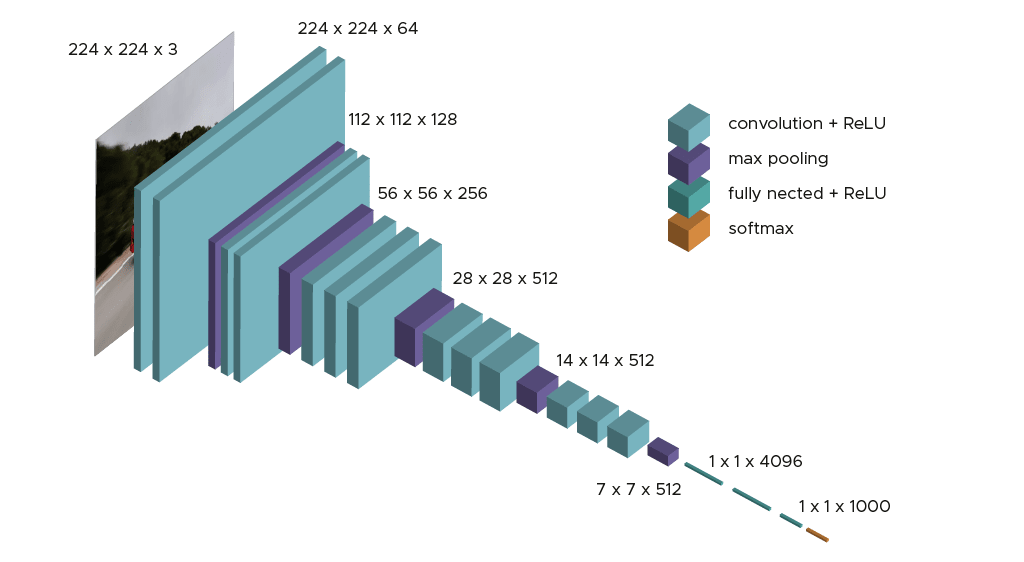
Importing a VGG 16 model from Keras
A LITTLE HISTORY VGG is a convolutional neural network proposed by K. Simonyan and A. Zisserman from Oxford University and gained notoriety by winning the ILSVRC (ImageNet Large Scale Visual Recognition Challenge) competition in 2014. The model…
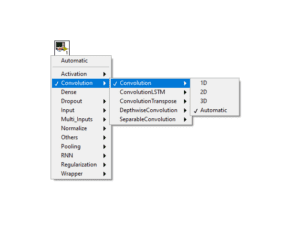
Coding of deep learning layers in labview
All layer are now coded in native LabVIEW. First test of importe HDF5 from Keras Tensorflow and a graph generator success. STATUS OF THE LAYER DEVELOPED IN NATIVE LABVIEW 16 activation functions (ELU, Exponential, GELU, HardSigmoid, LeakyReLU…
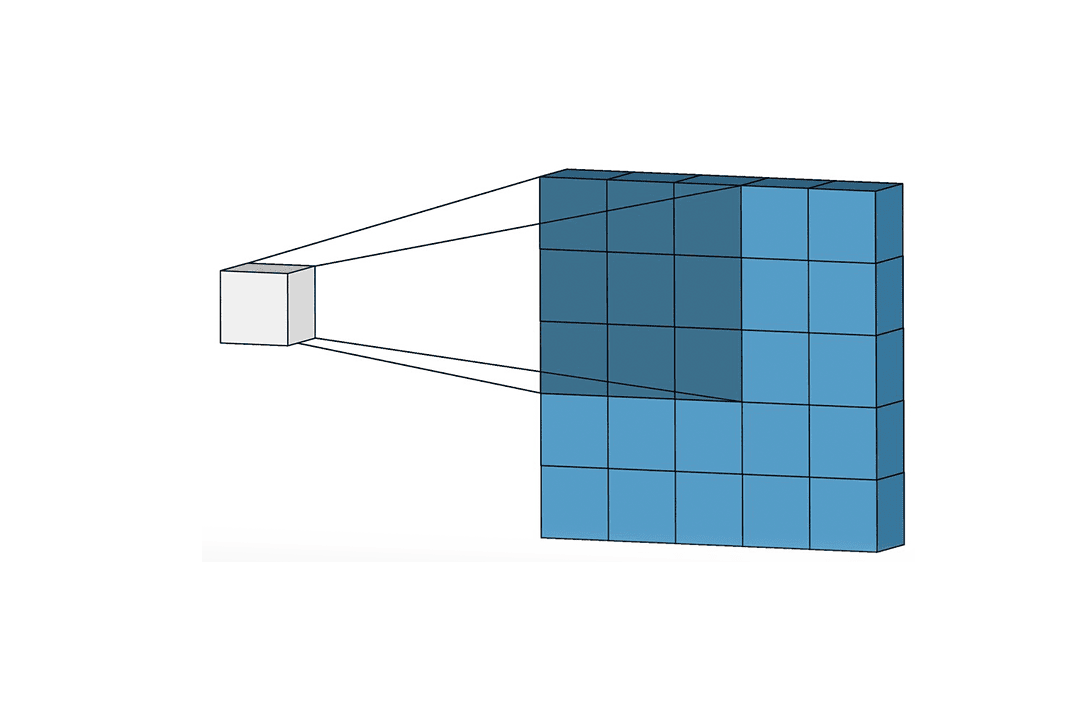
Making our first convolution in LabVIEW
After testing our first full connected neural network, we are now able to do our first 2D convolution in LabVIEW. Now we have to work on basic loss with forward operation.NATIVE LABVIEW Our first approach will be to develop the whole project in…
Launch of HAIBAL’s development
Every journey has a beginning and let’s bet that we will succeed in developing a complete deep learning library that is easy to use, ergonomic and suitable for academics and engineers. This task is clearly hard so let’s remember Hannibal the…